Amelioration of Obesity in Mice Fed a High-Fat Diet with Uronic Acid-Rich Polysaccharides Derived from Tremella fuciformis
圖文摘要說明
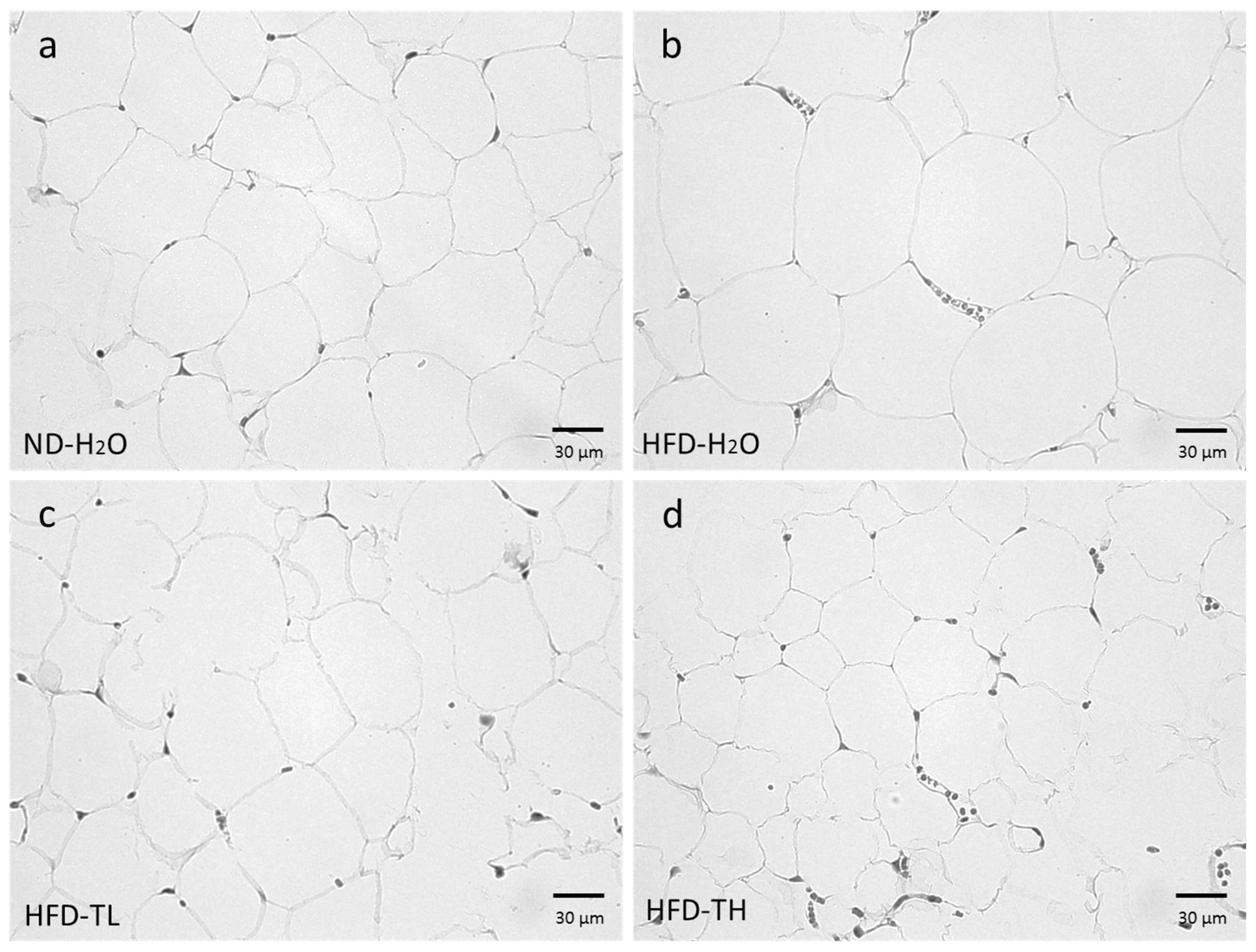
這張顯微鏡照片比較了不同飲食和銀耳異多醣(TFPS)處理後,小鼠脂肪細胞的大小。高脂飲食導致脂肪細胞增大,而 TFPS 處理,尤其是高劑量,能有效減小脂肪細胞,顯示其改善肥胖的潛力。
Abstract
Background: Micronutrients are essential in maintaining normal human physiology. Data regarding the association between micronutrients and renal outcomes in chronic kidney disease (CKD) are lacking.
Methods: This prospective observational cohort study enrolled 261 patients with CKD stages 1−5 and 30 subjects with normal renal function. Baseline serum zinc (Zn), selenium (Se), chromium, manganese, and copper, and laboratory tests were performed at enrolment. The primary endpoint was the presence of end-stage renal disease (ESRD) requiring long-term renal replacement therapy.
Results: The median follow-up periods of renal and non-renal survivals were 67.78 and 29.03 months, respectively. Multiple linear regression showed that Zn and Se (β ± SE: 24.298 ± 8.616, p = 0.005; 60.316 ± 21.875, p = 0.006, respectively) levels were positively correlated with renal function. Time to ESRD was significantly longer for those with Zn levels ≥1287.24 ng/g and Se levels ≥189.28 ng/g (both p < 0.001). Cox regression analysis identified a higher Zn level as an independently negative predictor of ESRD after adjusting for renal function (hazard ratio, 0.450, p = 0.019).
Conclusion: Serum Se and Zn concentrations are positively associated with renal function and better renal outcomes. A higher Zn concentration could independently predict better renal survival.
Keywords:high-fat diet; obesity; polysaccharide; Tremella fuciformis; uronic acid; viscosity
瀏覽數: